◆
Installation with newspaper
Click an image to enlarge
Home / Work / Memento Mori — Dancing with Catrina’s
When visiting Mexico, newcomers are often struck by the abundance of skulls and skeletons. Brightly colored skulls serve as eccentric souvenirs for tourists, while clothing and decorative fabrics with skull motifs stand out as bizarre textiles. To better understand the Mexican worship of death, we must go back to the country’s history.
The cult of the dead in Mexico began in the Middle Ages, when the area of modern-day Mexico included the Aztec empire. Unlike Europe, death was never considered taboo in Aztec culture. Those who died in battle or during childbirth were promised a prosperous aftermath, while those who reached a respectable old age were greeted by the god Miktlantecuitli, with a skull-like face. These beliefs led the Aztecs to celebrate life and ease death with sacrifices — thus was born the cult of the dead, a legacy that modern Mexican culture inherited from its Aztec ancestors. During the Mexican Civil War of 1920, in which many people heroically sacrificed their lives, the cult gained new strength.
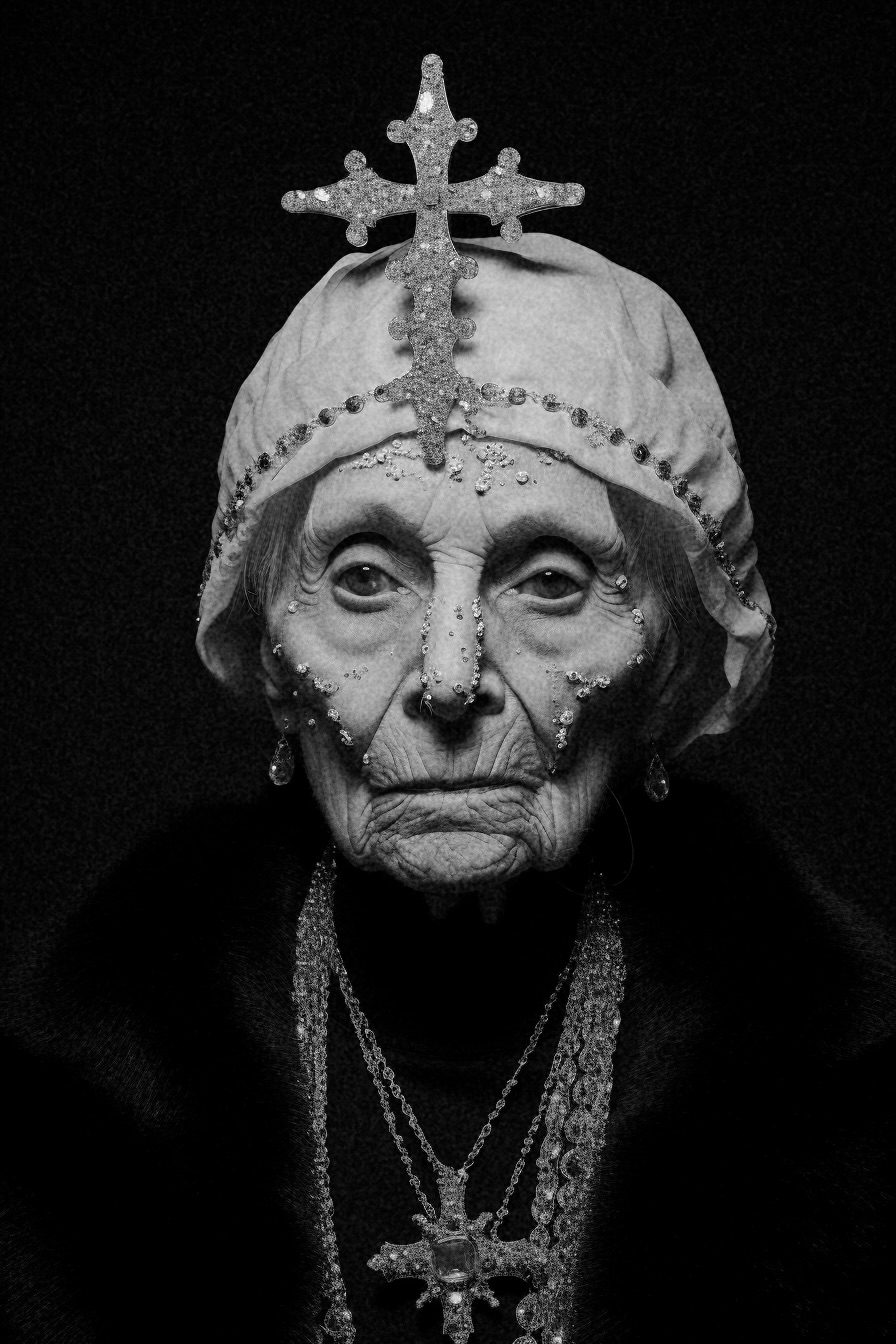
Today, a deep reverence for death persists in Mexican culture. Mexicans embrace her as the “Black Lady”, the “Holy Death”, sometimes even as their “lover” or “bride”. The highlight is the celebration of the Day of the Dead on November 1 and 2, in which pagan and Christian traditions harmoniously come together. On these days Mexicans not only visit the graves of their loved ones, but organize stately processions and pray to the Lady of Death for health, prosperity and protection.
Click an image to enlarge